



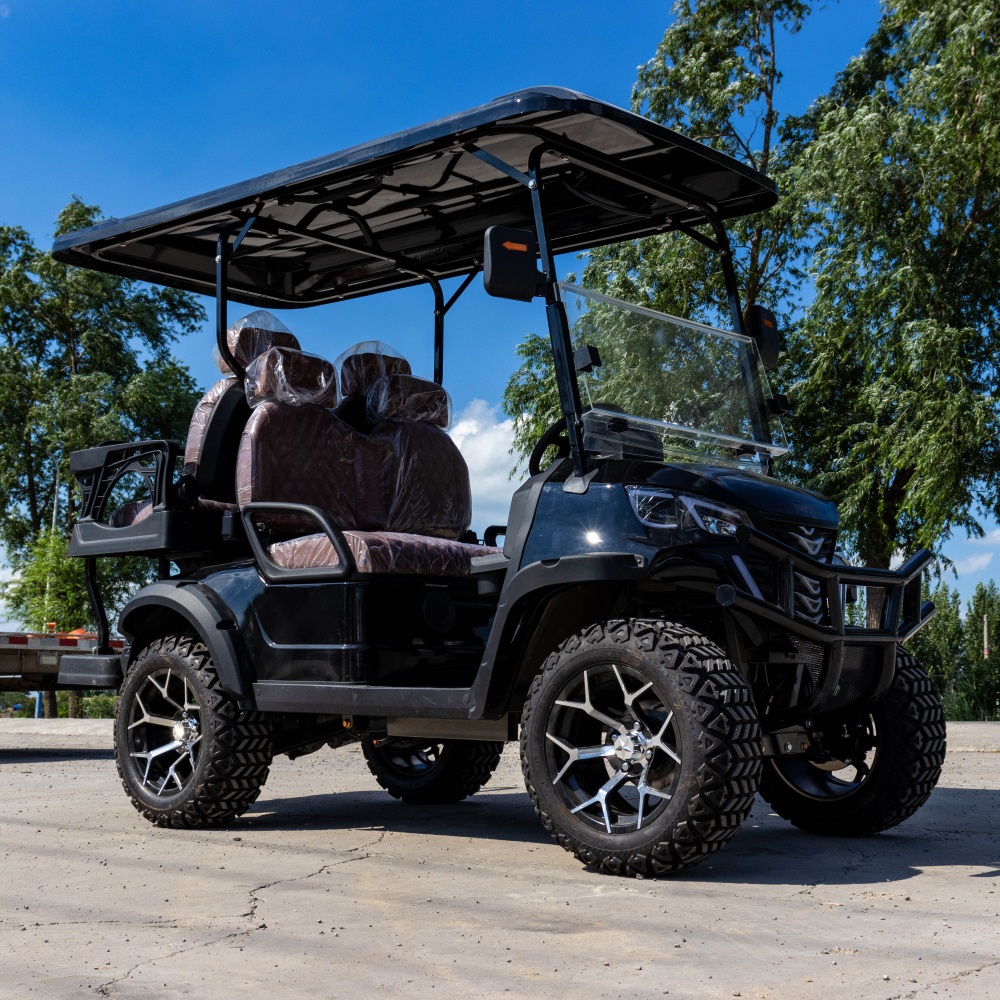
The battery is the heart of an electric golf cart fleet. And for decades, that heart has been flooded lead-acid. But the industry is shifting—fast. By 2027, lithium batteries are projected to power over 70% of new commercial electric golf carts sold globally.
If you’re managing an existing fleet or planning a new purchase, the lithium vs. lead-acid decision is the single biggest factor affecting your 5-year operating budget. Let’s run the numbers.
The Chemistry at a Glance
| Specification | Flooded Lead-Acid | LiFePO₄ Lithium |
| Cycle Life (80% DoD) | 500-700 cycles | 3,500-5,000 cycles |
| Usable Capacity | 50% (cannot discharge below 50% without damage) | 90-100% |
| Weight (48V/100Ah equivalent) | ~460 lbs (8x 6V batteries) | ~120 lbs (single pack) |
| Charge Time (0-100%) | 8-10 hours | 2-4 hours |
| Maintenance Required | Monthly water top-up, terminal cleaning, equalization charges | None |
| Warranty | 1-2 years (prorated) | 5-8 years (full replacement) |
| Cost per 48V/100Ah System | $800 – $1,200 | $1,800 – $2,400 |
The Hidden Costs of Lead-Acid
On paper, lead-acid looks cheaper. But B2B fleet operators know better.
Labor for Maintenance: Each battery requires monthly water top-ups with distilled water only. For a 50-cart fleet, that’s 50 carts × 8 batteries × 12 months = 4,800 individual cell inspections per year. At 2 minutes per cell, you’re paying for 160 labor hours annually just to keep batteries alive.
Premature Failure from Neglect: Miss one watering cycle in hot weather? The plates sulfate and the battery dies. The average fleet loses 10-15% of lead-acid batteries per year to preventable failure.
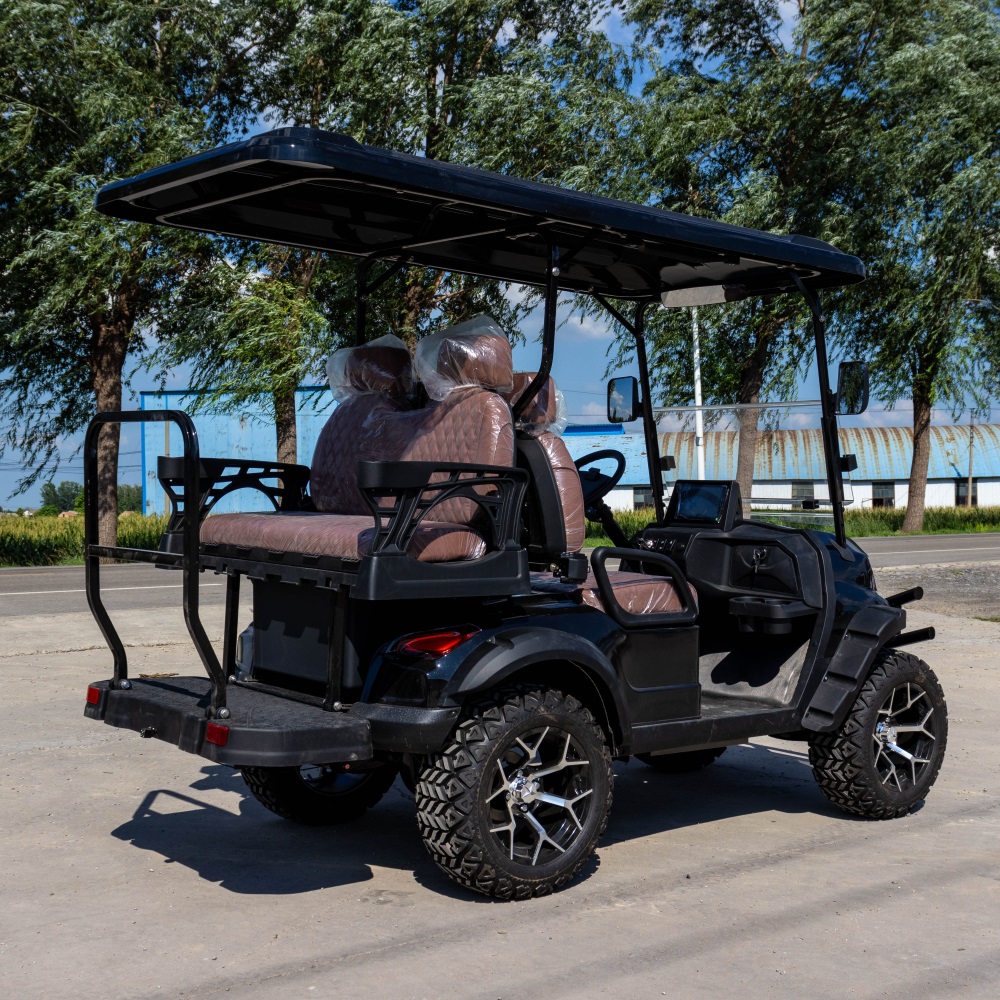
Reduced Range and Performance: As lead-acid batteries age, voltage sag under load becomes pronounced. A cart with 2-year-old batteries might struggle up hills that were easy when new, frustrating guests and staff.
Ventilation and Storage Requirements: Lead-acid batteries off-gas hydrogen during charging. You need a ventilated charging area with acid-resistant flooring. Lithium batteries are sealed and can be charged in any dry location.
Want a customized ROI analysis for your fleet? Share your cart count, average daily mileage, and current battery age—we’ll run the numbers specific to your operation.