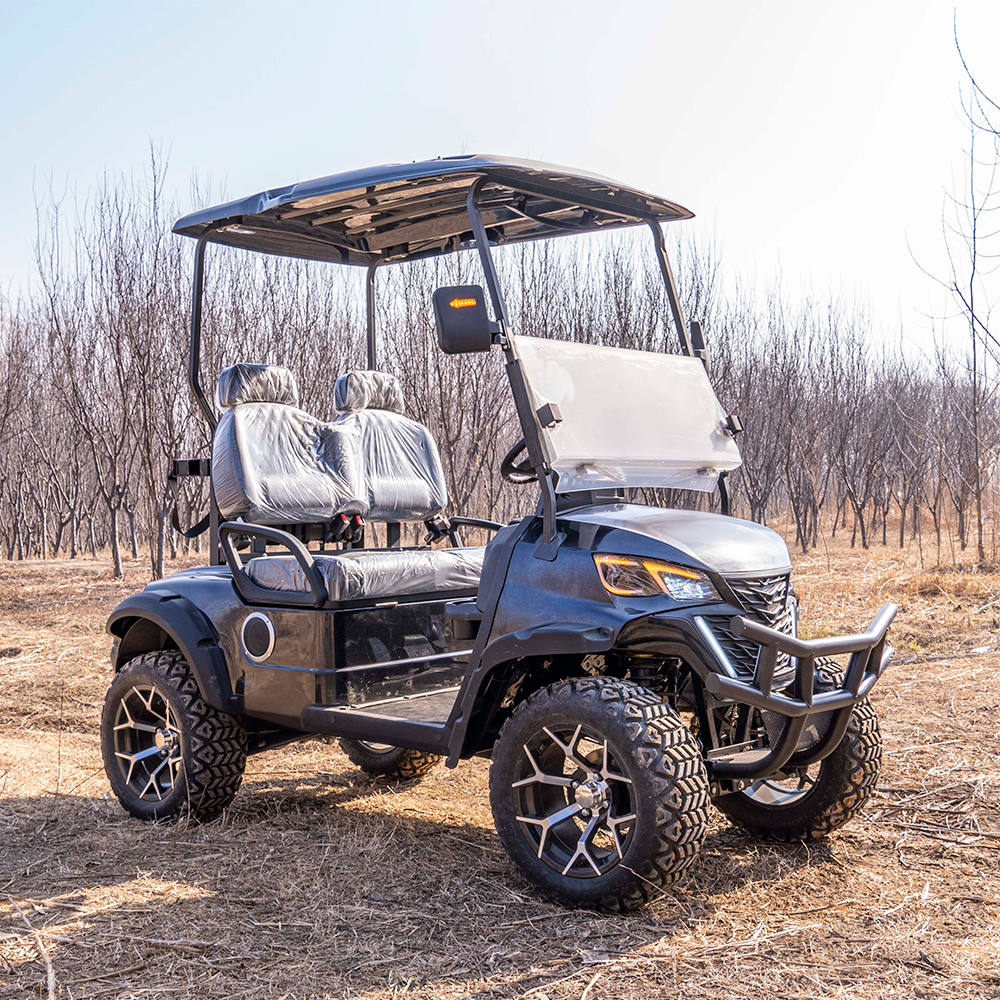

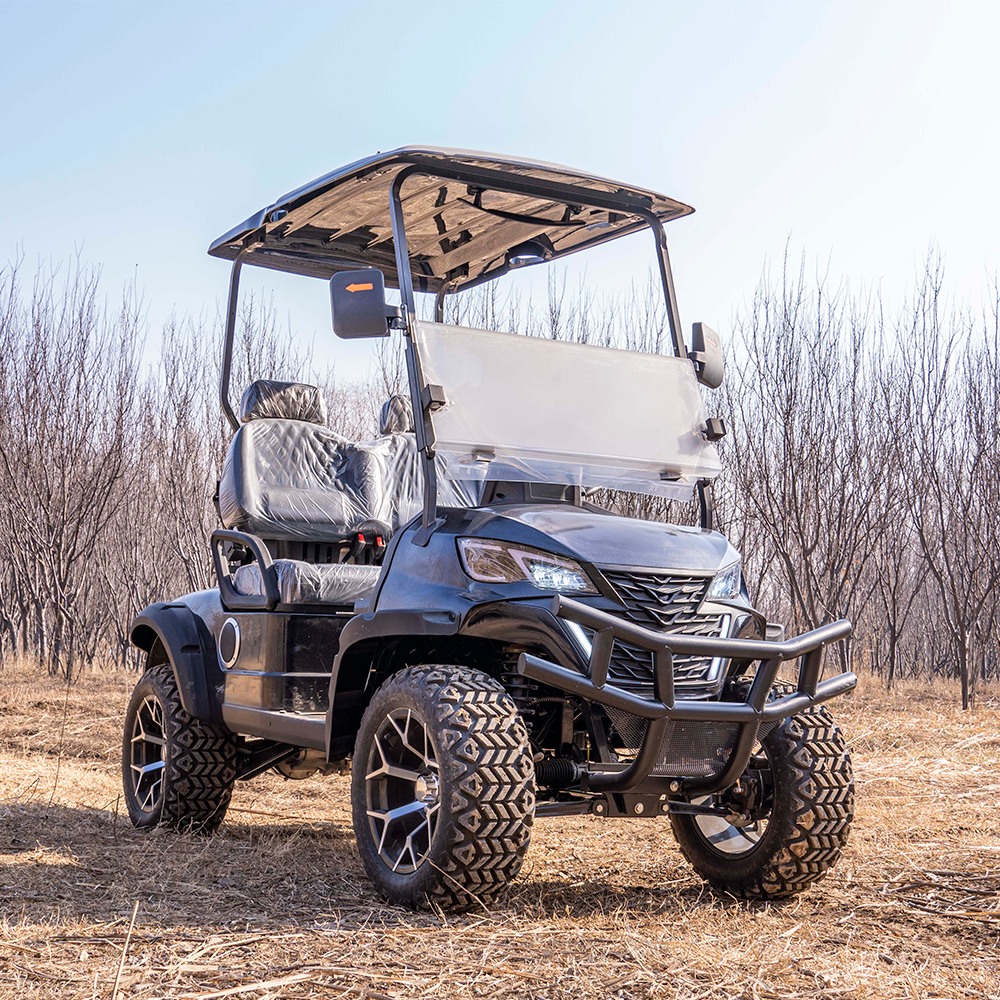
When you’re outfitting a fleet of golf carts—whether for a resort, a residential community, a university campus, or an industrial facility—the first major fork in the road is the powertrain: Electric or Gas?
The answer isn’t universal. It depends entirely on how you plan to use them, where they’ll operate, and what your maintenance capabilities look like. Let’s break down the real-world differences that matter to a B2B buyer.
The Quick Comparison
| Factor | Electric (Lithium) | Gas (4-Cycle EFI) |
| Upfront Cost per Cart | $9,000 – $14,000 | $7,500 – $11,000 |
| Fuel/Energy Cost per 100 Miles | ~$2.50 (electricity) | ~$18.00 (gasoline) |
| Annual Maintenance Cost | $200 – $400 | $600 – $1,200 |
| Noise Level | Near silent | 65-75 dB |
| Lifespan (Major Components) | Battery: 8-10 years; Motor: 15+ years | Engine rebuild: 3,000-5,000 hours |
| Refueling/Recharging Time | 4-6 hours (standard) / 1-2 hours (fast) | 2-3 minutes |
| Range per Tank/Charge | 35-55 miles (lithium) | 150-200 miles |
When Electric Makes Sense
Electric golf carts—especially those equipped with LiFePO₄ (lithium iron phosphate) batteries—dominate the market for good reason.
Indoor and Enclosed Use: Resorts with indoor cart paths, convention centers, and airports require zero-emission vehicles. Gas carts produce carbon monoxide and are prohibited in enclosed spaces.
Noise-Sensitive Environments: Luxury resorts, residential retirement communities, and hospitals value the silent operation of electric carts. A gas cart rumbling past a spa patio is a guest experience fail.
Lower Total Cost of Ownership (TCO): Over a 5-year period, an electric fleet saves approximately $3,500 to $5,000 per cart in fuel and maintenance compared to gas. Multiply that by 50 carts, and you’re looking at $175,000+ in operational savings.
Sustainability Mandates: Many corporate campuses and municipalities now require fleet electrification to meet ESG (Environmental, Social, and Governance) goals. Electric carts help you check that box.
Not sure which direction fits your operation? Our fleet specialists can run a custom TCO analysis based on your actual usage patterns. Reach out for a consultation.